天猫链接
天猫链接
In the world of electrical engineering, moisture is the ultimate enemy. Whether you are working on marine electronics, outdoor lighting,
or industrial underground wiring, a standard connection isn't enough—you need a waterproof, airtight seal.
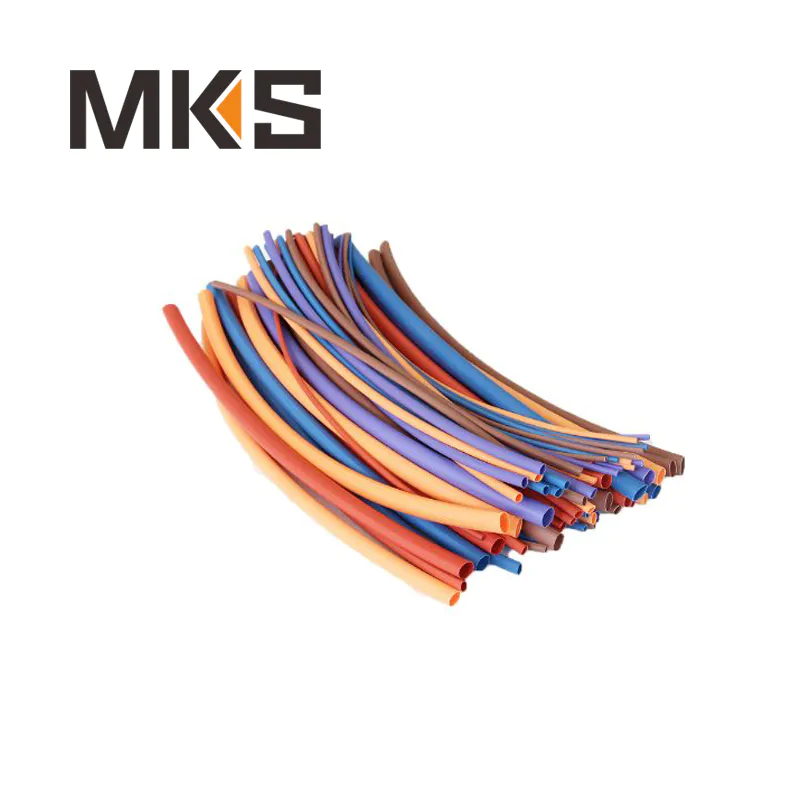
Heat shrink tubing is the industry standard for protecting connections, but simply "shrinking it" isn't always enough to guarantee a 100% waterproof barrier. In this guide,
we’ll walk you through the professional process to ensure your seals last for years in even the harshest environments.
1. Choose the Right Material (The Secret to Waterproofing)
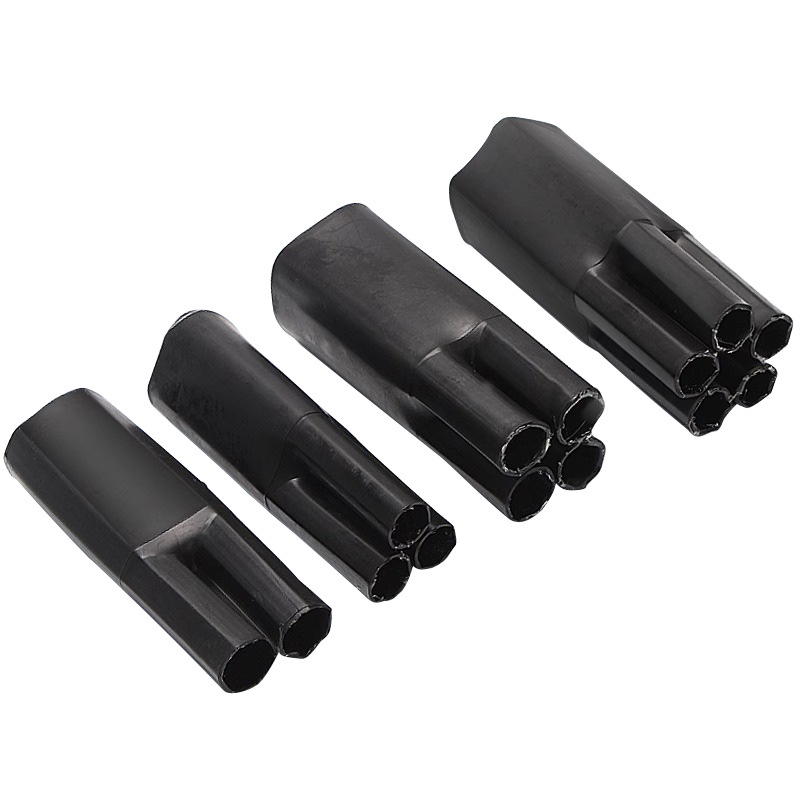
Not all heat shrink is created equal. For a truly waterproof seal, you must use Adhesive-Lined Heat Shrink Tubing (also known as Dual-Wall Tubing).
Outer Wall: High-quality polyolefin provides mechanical protection and insulation.
Inner Wall: An adhesive liner that melts when heated, flowing into the gaps of the wire strands to create a moisture-proof "plug."
Pro Tip: Ensure you select the correct Shrink Ratio (usually 3:1 or 4:1 for waterproof applications) to ensure a tight fit over both the connector and the wire insulation.
2. Preparation: Cleanliness is Key
Before you slide the tube on, ensure the cable jacket is clean. Dust, oil, or fingerprints can prevent the adhesive from bonding correctly to the wire.
Step: Wipe the insulation with a lint-free cloth.
Step: Slide the tubing onto one side of the wire before you complete your crimping or soldering. (We’ve all forgotten this at least once!)
3. Positioning the Tube
Center the tubing over the joint. To ensure a waterproof seal, the tubing should overlap the original wire insulation by at least 15mm to 20mm on both sides. This creates enough surface area for the adhesive to "grab" the wire.
4. The Heating Process: Technique Matters
While a lighter might work in a pinch, professional installers use a Temperature-Controlled Heat Gun.
Start from the Center: Apply heat to the middle of the tube first. This allows air to escape out the ends and prevents "air bubbles" from being trapped inside.
Rotate Consistently: Rotate the wire or move the heat gun in a circular motion to ensure even shrinkage. Uneven heat can cause the wall thickness to become lopsided.
Watch for the "Bead": You know you have a waterproof seal when you see a small bead of clear adhesive oozing out of the ends of the tube. This confirms the inner liner has fully melted and sealed the cavity.
5. Inspection and Cooling
Once the tubing has fully conformed to the shape of the wire and the adhesive is visible:
Do not touch it immediately. Let the adhesive "set" and cool naturally. Moving the joint while the adhesive is still liquid can break the seal.
Visual Check: Ensure there are no charred spots (a sign of overheating) and no gaps between the tube and the wire.
Properly installed heat shrink tubing is crucial to ensuring a system's lifespan of decades or preventing corrosion failure.
Choosing high-quality adhesive-backed heat shrink tubing and following these professional steps will ensure the safety and reliability of your electrical installations.
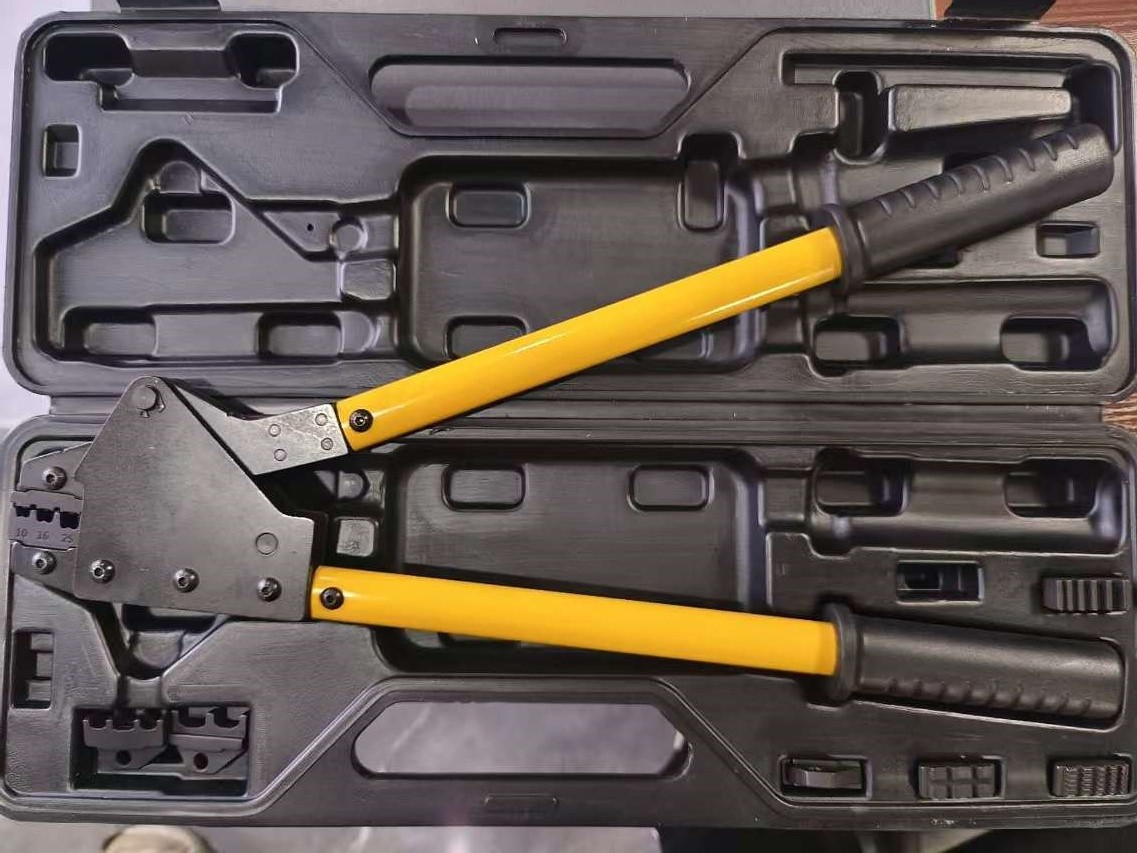
Looking for high-performance heat shrink tubing or professional-grade crimping tools?
↓ ↓ ↓ Contact us for the best quote
Copyright © 2026 Yueqing Kaisen Trading Co., Ltd. | All Rights Reserved
Hello, please leave your name and email here before chat online so that we won't miss your message and contact you smoothly.